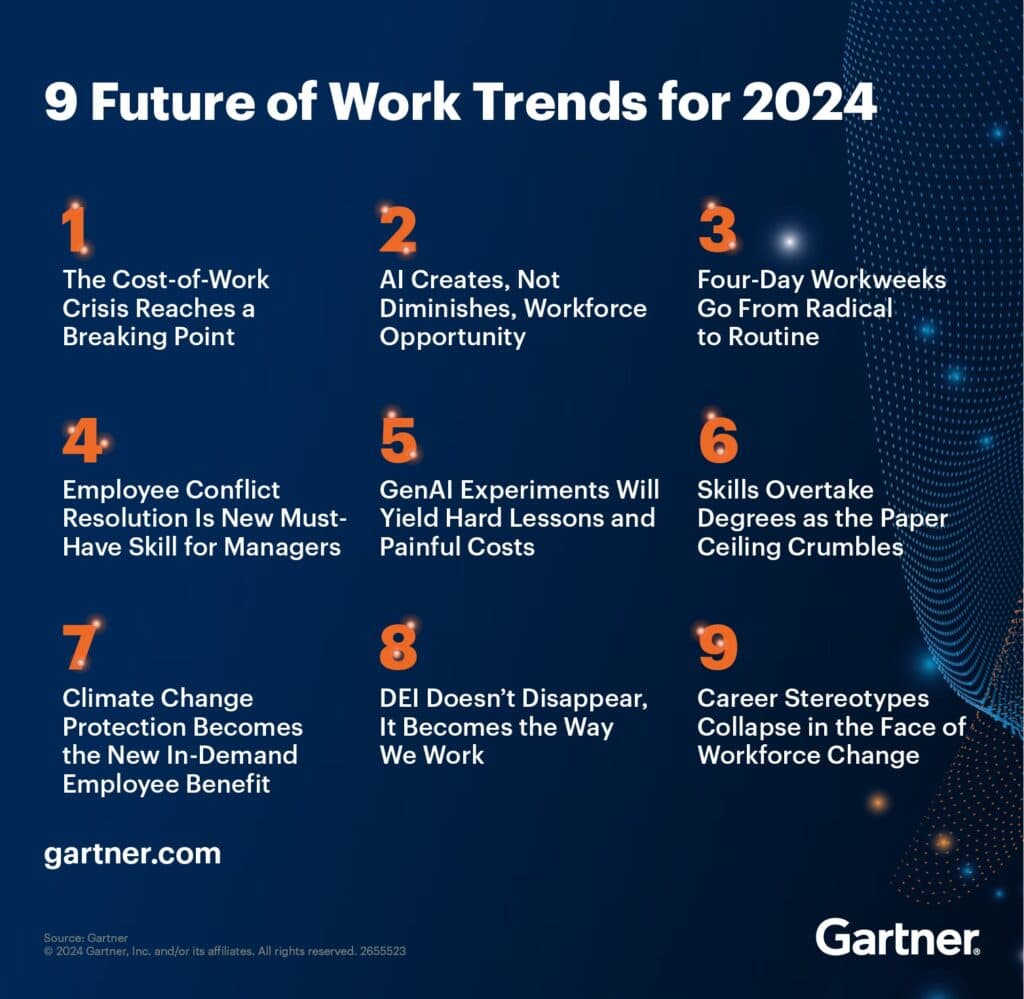
Top 10 Urban Living Trends Changing Cities All Over The World In 2026 And 27
Cities have been humankind’s most complex and influential invention. They bring together ideas, people questions, possibilities, and problems in ways that only one other form of human settlement can rival. The urban space of 2026/27 is formed by a variety of forces that are simultaneously interesting and threatening: climate pressures demanding fundamental changes to how cities are built as well as run, the advent of technology that offers new methods of managing urban complexity, shifting patterns of work and mobility shifting how people make use of city spaces, and a rising desire for cities that perform better for those who actually live in them instead of just passing by or investing into these cities. Here are ten of the urban living trends that are transforming cities around the world by 2026/27.
1. The Fifteen-Minute City Concept Gains Practical Traction
The idea that cities should be planned to ensure that all the amenities a resident requires on a daily basis and beyond, including education, work shopping, healthcare green space, as well as social infrastructure, is easily accessible in just a fifteen-minute walk bike ride from home. The concept has moved from urban planning theory into real-world policy in a rising quantity of major cities. Paris is the most well-known example, but versions of this idea are being implemented throughout Europe, Latin America, and even parts of Asia. The critics have expressed concern about the possibility of these plans to restrict movement but the fundamental idea, designing cities based on human-scale and life-styles, not the dependence on automobiles, is now gaining the support of the mainstream.
2. Housing Affordability drives Bold Policy Experiments
The crisis in housing affordability that is affecting large cities around the world has reached a level of severity that is requiring policy responses far more expansive than those that have been seen in the last few decades. Zoning reform, density incentives as well as mandatory affordable housing requirements as well as land value taxation social housing construction on a massive scale and restrictions on short-term rental services are all being utilized in a variety as cities look for strategies which can effectively move the dial. Not one approach has proven universally effective, and the economics of reforming housing remains highly debated. However, the realization that not doing anything is no possible anymore is the basis for a period of policy experimentation that, over time is beginning to provide insights.
3. Green Infrastructure Becomes Core Urban Design
Urban greening has transformed from a purely cosmetic option to an integral element of how cities design for climate resilience, quality of life, and public health. Expanding the canopy of trees, green walls and roofs, urban pocket parks, wetlands and the daylighting of underground waterways are all being incorporated in urban design at levels that reflect all the different purposes the green infrastructure serves. It can reduce the urban heat island impact, manages stormwater and improves air quality. enhances biodiversity, and offers measurable benefits for mental and physical health of urban people. Cities that made investments in green infrastructure just a decade ago are already demonstrating outcomes that are increasing adoption elsewhere.
4. Urban Mobility Transformations Around Active And Shared Transport
The dominance that the car has over urban space is under threat greater than at any previous point. Cycling infrastructure is rapidly growing throughout Europe as well as in many other regions. E-bikes, e-scooters and other e-bikes are essential components city mobility many cities. In the last few years, public transportation investment has increased in response to both climate-related commitments as well as the realization that car-dependent cities are unable to function efficiently at the densities urban development requires. The change isn’t uniform and at times contentious, but the direction is clear: cities are gradually taking over space previously occupied by private vehicles and then distributing it towards people moving around, active transport, and the sharing of mobility options.
5. Mixed-Use Development Replacing Single-Use Zoning
The legacy of 20th-century urban design, which had a rigid distinction between residential industrial, commercial, and residential land use, is changing in cities after cities. Mixed-use development, where homes, workplaces, retail, hospitality, and community amenities within the same neighbourhoods and buildings, makes more walkable, vibrant and economically sustainable urban areas. This change is being accelerated through the decline of demand for office areas with a single use as well as monocultures of retail, resulting from changes in working and shopping patterns. Business districts that were once dominated by businesses are now being revamped into mixed-use neighborhoods and any new development is necessary to incorporate a variety of uses from the outset.
6. Smart City Technology Matures Into Practical Application
The smart city concept was for some time creating hype rather than success, with ambitious sensor technologies and data-driven platforms frequently not being able to provide tangible improvements for urban living. The advances in technology and a more practical approach to deployment are yielding more useful and practical applications. Intelligent traffic management to reduce emissions and congestion, proactive maintenance systems to address the infrastructure issue before it becomes failing, real time air quality monitoring which informs public health response, and digital platforms that allow city services to be more easily accessible offer tangible value in the cities that have implemented these systems with care.
7. Urban Food Production Scales Up
Food production in cities has grown from a rooftop-based hobby into a significant part of the city’s food policy in some of the most forward-thinking municipalities. Vertical farms using controlled environment agriculture yield lush greens and plants in warehouses converted to specifically designed facilities using a fraction of the land and water requirements to grow conventionally. Community growing spaces and school gardens as well as urban orchards play the educational and social aspects of food production. The amount of consumption of food that could be fulfilled by urban food production isn’t huge, however, the direction of development, toward shorter supply chains with greater food security, and more connection between urban residents and food systems, is clear.
8. Inclusive Design Boosts The Urban Agenda
The principle that cities must have a design that works for all their residents, such as disabled people, older children, as well as people who are financially disadvantaged is getting more consideration in urban planning circles. Age-friendly city frameworks as well as universal design standards for public spaces and transportation and co-designing processes that involve communities that are marginalized in forming their neighborhoods, as well as necessities of affordability to stop exclusion of residents who have lived for a long time from developing areas are being taken more seriously. Recognizing that a city which works only for the able-bodied, the young, and the affluent is failing an enormous portion of its inhabitants is generating more inclusive city planning and governance.
9. The Night-Time Economy Benefits from Smarter Management
Cities are paying more sophisticated concentration on what happens in the evening after the dark. The night-time economy, which includes entertainment, hospitality venues, cultural events, and the service personnel who maintain cities’ operations overnight are a huge source of economic activity in addition to cultural importance that’s historically been managed poorly. The dedicated night-time mayors or economy commissioners now operating in cities from Amsterdam to Melbourne promote the interests and needs of businesses that operate during the night and the residents of each city, while mediating disputes and establishing policies to support a flourishing nocturnal city without making life unbearable for those needing to sleep. The system is now being exported and becoming increasingly influential.
10. Belonging And Belonging Drive Urban Renewal
In the midst of the technological and physical impacts of urban development is an extremely social issue. A large number of urban residents, especially in cities with rapid change feel a profound disconnect from the community around them. A growing proportion of urban-based practice is centered on building that social infrastructure: the community centres such as libraries, markets and open spaces, and a deliberate programmes that help create the conditions for genuine human interaction in urban spaces. The most successful urban renewal programs of the current era are those that combine improvement in physical condition with continued investment in community building, taking into account that neighbourhoods are most importantly defined by its relationships in the same way as its structures.
Cities will remain the primary venue in which humanity’s biggest challenges are confronted, and where the most crucial opportunities are pursued. These trends don’t suggest a utopia, and the changes that they represent are contested, partial as well as unevenly distributed across various urban contexts. However, they suggest cities that are, in a growing number of areas growing more livable and more sustainable. more genuinely attuned to the needs those who call them home. To find more context, explore these reliable To find additional insight, head to a few of these respected politikinsider.se/ and find expert analysis.
Ten Online Shopping Trends Redefining How We Shop Online In 2026/27
Online shopping has become embedded in daily life that it’s common to forget that it was seen as a novelty or a convenience restricted to specific categories of goods. In 2026/27, e-commerce will not be just a transaction channel, but it is an integral element in the way that retail works, how brands are created, and how consumer expectations are constructed. The market continues to develop rapidly, driven by technology changing consumer behavior along with a growing competitive landscape and the ongoing pressure on every entity in the marketplace to prove their worth within an increasingly efficient market. Here are the ten major e-commerce patterns that are changing how shoppers shop online moving into 2026/27.
1. AI Personalisation Transforms The Shopping Experience
Artificial intelligence’s application to e-commerce personalisation has moved well beyond basic recommendation engines suggesting products based on previous purchases. AI systems for 2026/27 are creating dynamic, real-time models of shopper’s individual intent, which are able to adapt to the context, time of day devices, browsing patterns and information from all of the digital space. This results in an experience in shopping that is real-time and not just generically focused. For retailers, the impact of personalised shopping with sophisticated technology on conversion rates and average order value and customer retention are significant enough to warrant AI investment in this area is now considered a prerequisite for success instead of a distinctive feature.
2. Social Commerce Becomes A Primary Discovery Channel
The integration of shop functionality directly on social media platforms has matured into a significant commerce channel on its own. Consumers are looking up, reviewing shopping for and purchasing items through their social media feeds driven by recommendations from creators or shoppable content. live commerce events that mix entertainment with direct buying. The approach, which was developed at great scale in China has now become established within Western markets. For brands, the result can be that social media presence is no longer solely a brand awareness campaign but rather a direct revenue channel requiring the same quality of business as every other element of the retail enterprise.
3. Ultra-Fast Delivery Rakes the Bar For Logistics
Consumer expectations around delivery speed continue to increase. Same-day delivery is becoming a norm in urban markets and the battle to narrow the gap between order and delivery is driving significant investment into fulfilment infrastructure, micro-warehousing positioned close to demand centers, autonomous delivery vehicles and drone delivery systems that are transitioning from trial to operational in a growing range of locations. For smaller retailers, meeting the requirements of these retailers on their own is getting increasingly complex, which has resulted in the creation of fulfilment networks as well as third-party logistics service providers that can meet the infrastructure investment required. The environmental implications of rapid delivery logistics are becoming more scrutiny alongside the commercial competition.
4. Recommerce and the Circular Economy Revolutionize Retail
The market for second-hand, refurbished and used goods expands faster than new retail across all product categories. Consumers’ desire to pay less with a lesser environmental footprint plus the appeal goods that are no longer available fresh is driving the development of peer-to–peer resale platforms, brand-operated recommerce programmes, and speciality resellers for fashion furniture, electronics, as well as sporting goods. Major brands put money into resale as well as refurbishment activities to profit from the secondary market and to preserve the relationships of customers purchasing second-hand goods over new. The stigma formerly associated with buying used goods in many categories has largely evaporated among young people.
5. Augmented Reality reduces the uncertainty of online shopping
One of the most enduring limitations of online purchasing compared to physical stores has been the inability to adequately evaluate the product prior to purchasing. Augmented realities are addressing this in specific areas with enough maturity to affect purchasing behaviour and return rates to a large extent. It is possible to test on clothing, eyewear and even cosmetics through virtual reality or putting furniture and accessories in a live room using a smartphone camera, and studying products at a true scale in context before purchasing All of these capabilities are being developed from impressive demos and standard features on most platforms as well as brand sites. The categories where fit, scale, and look in the context are having the biggest changes in conversion and profits.
6. Subscription Commerce extends beyond Convenience
Subscription-based models in ecommerce have advanced beyond the simple concept of regular replenishment of consumables. The most successful subscription models in 2026/27 revolve around community, curation, and a long-term value that warrants regular payments instead of the locking-in mechanisms that were prevalent in earlier models. The consumer has become much more sophisticated about evaluating subscription value and cancellation rates target companies that rely upon inertia rather than a genuine benefit. For retailers, the benefits of a subscription, such as higher values over time, predictable revenue, and deeper customer relationships are appealing when the underlying value proposition is sufficiently compelling to warrant loyal customers.
7. Cross-Border Electronic Commerce Grows and Gets Complex
The ability to purchase from any retailer in the world has created enormous potential for markets, as well as operational obstacles to customs duties, returns and localisation and consumer protection regulations. The growth of cross-border commerce is accelerating since both retailers and customers expand their reach past domestic markets, but the regulatory complexity is increasing and a growing number of jurisdictions implementing digital services tax, product safety requirements, and consumer rights laws that apply internationally-based sellers. The most successful retailers in cross-border markets are those that have invested in the localisation, compliance infrastructure as well as the logistics infrastructure that international retail requires.
8. Voice And Conversational Commerce Find Their Use Situations
Voice-based retail, long thought of as a transformative method that had a history of delivering on that prediction it is gaining adoption in certain well-defined applications. Reordering frequently purchased consumables, adding items to shopping lists, or tracking order status are all activities where the use of voice offers substantial advantages over touchscreen-based alternatives. AI-powered shopping assistants for conversation, which operate through chat interfaces instead than voice, are proving more versatile, helping consumers navigate difficult purchase decisions through comparison of options, as well as receive personalised recommendations using conversational format that works better for shopping with thought in comparison to conventional search and browse.
9. Sustainability Claims Facing Greater Scrutiny And Regulation
The interest of consumers in the environmental and ethical issues of online purchases is high, but so is scepticism about the claims about sustainability that companies make. Greenwashing regulations are getting more strict across the major markets, requiring obligations for verified claims, distinct labelling, as well as disclosure about the practices employed by suppliers that makes vague sustainability messages more legally risky. Retailers who have invested in real environmental improvements to their supply chains and operations are seeing that tangible, verifiable sustainability credentials are becoming an important difference in their business to the growing segment of consumers who are ready to act on their declared environmental preferences when evidence can be found to support their choices.
10. Payment Innovation Continues To Reduce Friction
The checkout process, historically one of the major sources of abandoned baskets in electronic commerce, is continuously improving thanks to payment innovation that lowers friction during the final and most crucial point of the buying process. Pay-as-you-go has gotten more sophisticated and is under more regulatory scrutiny regarding the cost and transparency. Digital wallets are now the primary payment method with a growing number for online transactions. The biometric security is replacing password and card details in a myriad of ways. One-click purchasing, embedded payments in apps and social platforms and the constant expansion of open banking-based payment options are all making a difference in a checkout experience which is more efficient, faster, secure, as well as less likely lose the customer at the very last minute.
Electronic commerce in 2026/27 is more advanced, more competitive, and more consequential for the entire retail market than at any other time. The above trends point to a direction of progress that will reward retailers who invest in customer experiences, operational excellence and genuine value-creation in comparison to those that rely on category monopolies, information imbalances, or lock-in mechanics that customers are more adept at finding and avoiding. The online shopping landscape is still evolving rapidly, and the difference between where it stands today and where it’s going to be in another five years could be equally as surprising than the amount of distance traveled. For more information, visit a few of these trusted losangelesbrief.com/ and get expert reporting.